Letter: Preventing suicide starts earlier than we think
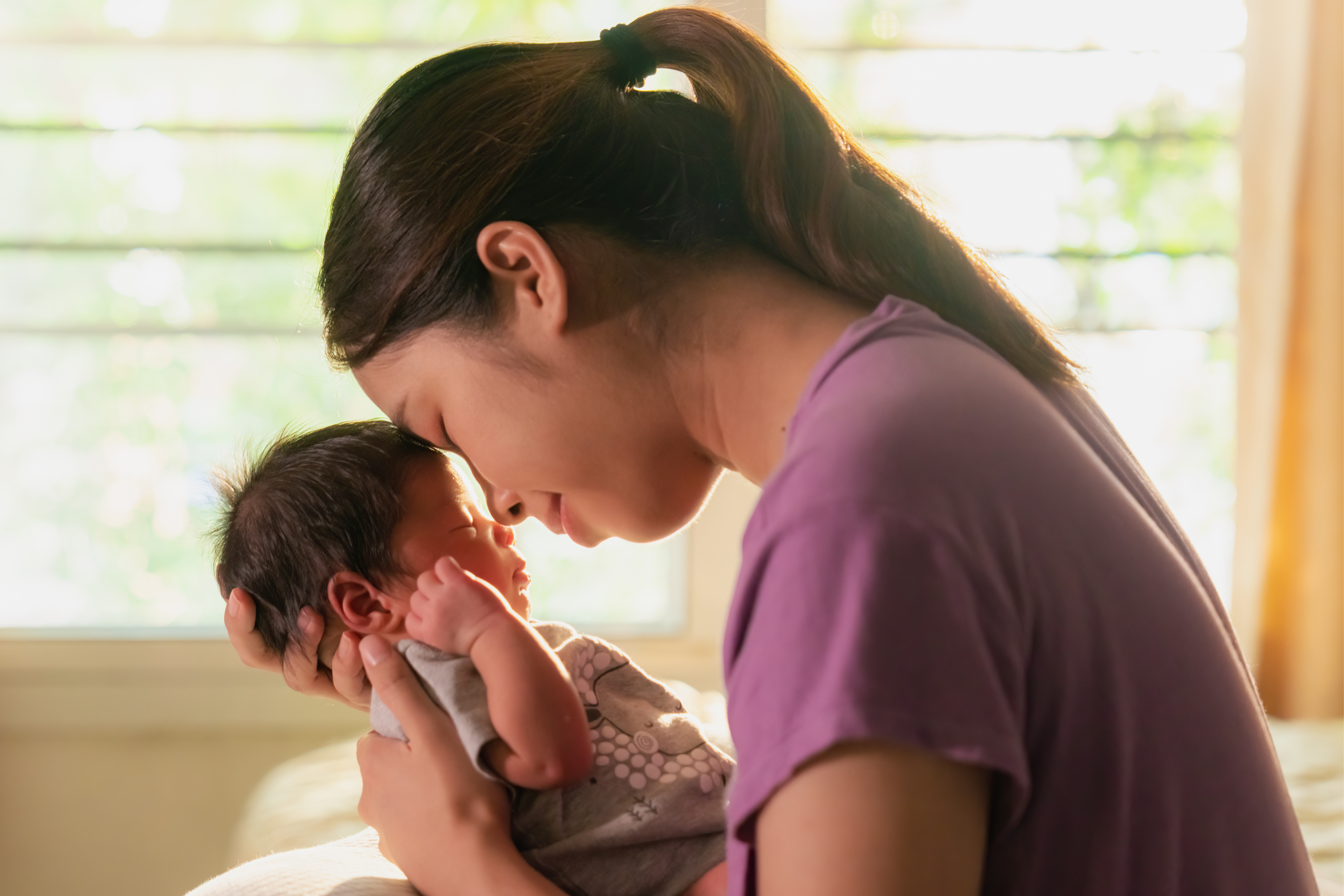
September is Suicide Prevention Awareness Month, and I’ve spent much of my nonprofit career at the intersection of two causes that people don’t often connect: suicide prevention and child abuse prevention.
Years ago, I co-founded the Napa County Suicide Prevention Council and chaired it for three years during my tenure at Mentis. Today, I chair the Napa Child Abuse Prevention Council at Cope Family Center. What I’ve come to understand from sitting on both sides of this work is that these are not two separate issues. They are the same work, seen at different points in a life.
The research highlights this fact. According to the Centers for Disease Control and Prevention (CDC), adverse childhood experiences, including abuse, neglect, and household dysfunction, are among the strongest predictors of suicide risk later in life. If we want to prevent suicide, we cannot wait until adulthood, or even adolescence. We have to start with the earliest relationships a child has.
That’s why so much of our work at Cope begins before a baby’s first birthday, and often before birth. Postpartum depression affects roughly one in seven new mothers, and untreated maternal mental health struggles ripple outward, affecting bonding, child development and family stability. A parent who is struggling to cope, without support, without sleep, without someone checking in, is a family at risk on more than one front.
Through our Home Visiting program, trained staff build relationships with new and expecting parents in their own homes, screening for maternal depression and connecting families to mental health resources long before a crisis takes hold. Through our Triple P Positive Parenting Program, we teach parents concrete tools to manage stress and strengthen their bond with their children. Our Family Support Hub offers a place where an overwhelmed parent can walk in, ask for help, and be met without judgment.
This is suicide prevention, even when it doesn’t look like it. Every parent who gets connected to mental health treatment, every family that builds a support network instead of facing isolation, every child who grows up in a safer, more stable home are the quiet, unglamorous wins that add up to fewer crises down the road.
Napa Valley has the chance to invest upstream, in the relationships and support systems that keep families whole before they break.
Jeni Olsen
Executive Director